
We’re the UK’s Go-To Cleaning Company
High-Standard Cleaning with Compassion and Care.

Council house clearance after a death rarely feels simple while you are grieving. Here at Scrubbed With Love, we speak to families going through this most weeks, so here is what happens.
A council tenancy does not end the moment a tenant dies. Rent keeps building on the account until someone hands the keys back, so a family member or the executor has to clear the property, sort the belongings, and end things properly. Most councils give around four weeks from the date of death, depending on the landlord and tenancy agreement, so get it confirmed in writing. A full house clearance typically costs £300 to £2,000, with a two- or three-bedroom council house usually landing between £400 and £900. That cost comes from the estate, not a relative's own pocket. If a spouse or another eligible person was living in the property, they may take over the tenancy instead of losing it. The rest of this guide covers succession rights, timing, costs, and what to do with paperwork and belongings before anything is thrown away.
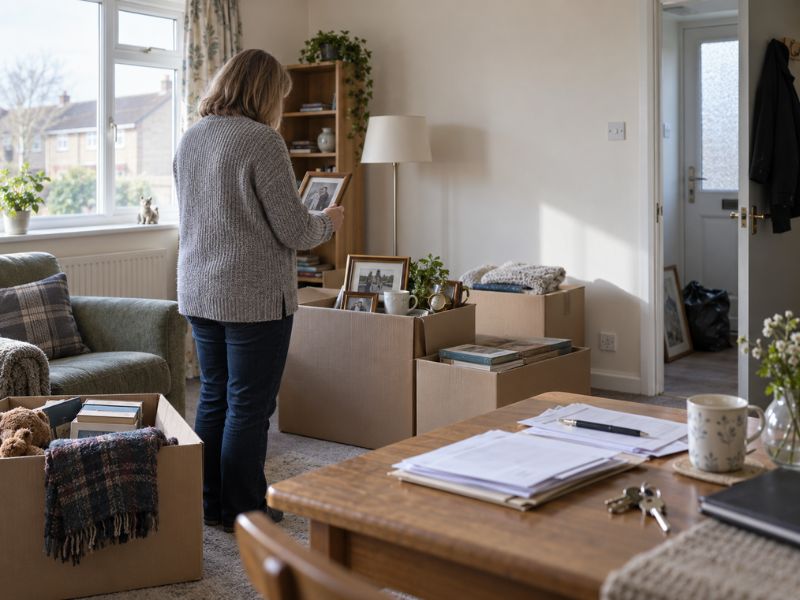
Most people do not realise this. When a tenant dies, the tenancy and the rent keep running until the council or housing association formally closes it, so they ask for keys back rather than assume the property is empty. Dealing with a council tenancy on top of grief is hard, and none of it feels obvious until someone dies and a family member suddenly has to make the calls.
If someone else was living in the property, such as a spouse, partner, or an adult the tenant lived with for at least a year, they may be eligible to succeed to the tenancy rather than lose the home. Whether someone has succession rights depends on the tenancy type, so this needs checking with the council directly. If anyone in the family thinks they qualify, raise it with the housing team before anyone starts sorting belongings or begins any property clearance work.
Where nobody has the right to succeed, the council property is treated as available once it has been cleared, and the practical work, notifying the right people and returning keys, falls to the next of kin or the executor. If it was a housing association home rather than a council property, the same broad rules usually apply, though it can vary between landlords. Family members should also check whether it was a council or housing association property in the first place, since a plain council home is handled slightly differently. In practice this means arranging a house clearance, checking every room, and leaving the property in a reasonable state before the keys go back.
Four weeks is the figure that comes up again and again for a council house, though there is no single law fixing this for every family. Reading Borough Council, for example, sets a notice to quit and expects keys back on or before it expires, and other authorities work in a similar way. It is simply the period most councils treat as fair, so read whatever letter the landlord sends rather than rely on what happened to a friend.
If four weeks is not realistic, for example because probate is delayed or the family is dealing with a house full of possessions, ask the council for more time before the deadline passes. If you are wondering, can I empty a house before probate, it is important to consider whether the property and its contents need to be dealt with as part of the estate. Most housing teams would rather agree a short extension than dispute an empty property. Keep a written record of the date and who you spoke to, and decide early who is responsible for what.
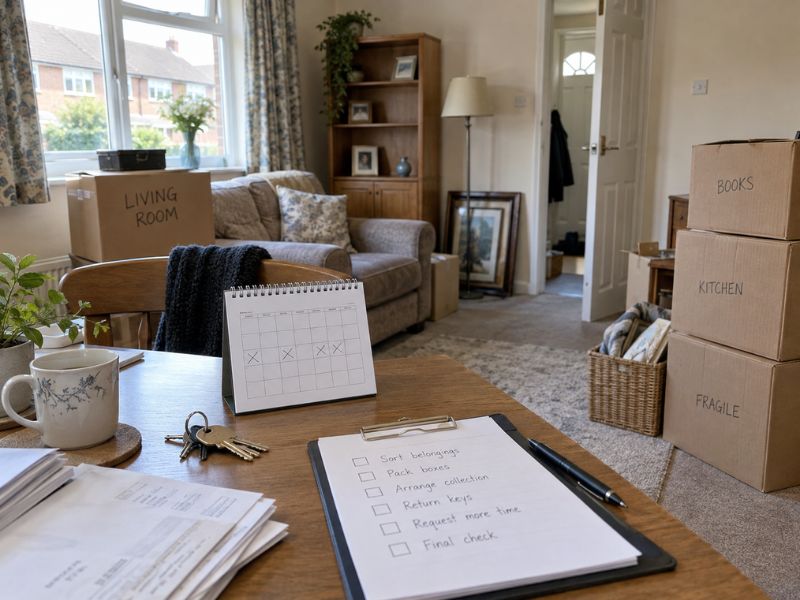
Once the shock has passed, most cases follow the same rough order. Before you start sorting belongings, here is roughly what is coming:
Most families take two to three months to fully clear a house once probate and family circumstances are factored in, even though the council's own notice period is shorter. Post addressed to the person who died should be forwarded or returned once you dispose of anything unwanted, and it helps to arrange a house clearance company early to avoid a last-minute rush against the deadline.
Costs vary with the size of the house, how much furniture there is, and location. Based on current UK pricing across several house clearance services, a full house clearance typically costs £300 to £2,000. A two- or three-bedroom home tends to fall between £400 and £900, with London and other big cities toward the higher end, partly because disposal costs more there too. Labour runs around £15 to £20 an hour per person, and disposal drives the total, since tipping fees per van load can add £200 to £300 or more before VAT. Selling valuable items through an auction room before the house clearance starts, or having usable furniture sold to a second-hand buyer, brings the bill down. Money raised from anything sold is usually deducted from the final price, so ask two or three house clearance services what they offer first. This is a rough guide only, and the actual cost varies with your particular property.
If the council property is not cleared by the deadline and contractors are sent in, charges for removing items left behind can range from around £70 for a small amount of rubbish up to £2,500 or more for a full house left untouched. Most councils do not offer a free full house clearance service, though some offer a little free support with small items or a skip, so confirm what yours includes rather than assuming.
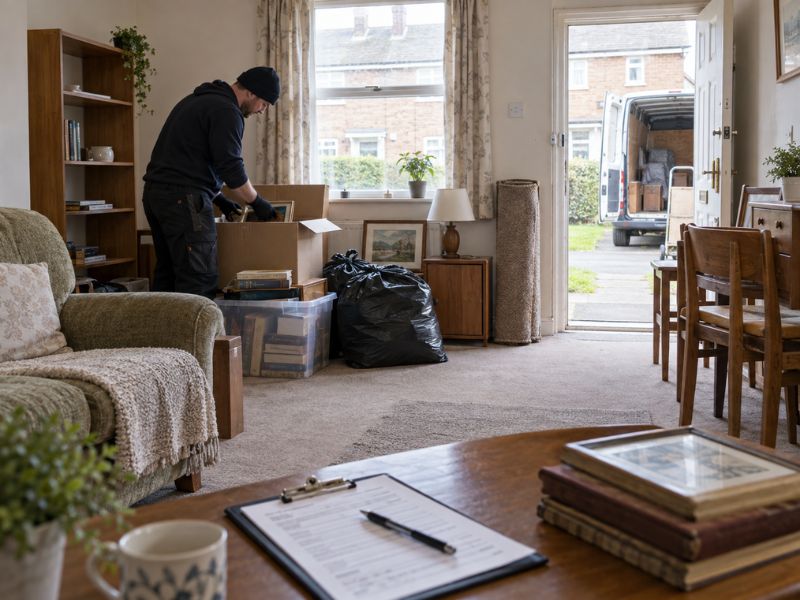
House clearance costs are treated as an expense of the estate, in the same way as funeral costs or solicitor's fees, and are paid before anything is passed to beneficiaries. If you are wondering who pays for house clearance after death, the cost is normally covered by the deceased person's estate. The executor, or an administrator if there is no will, carries the responsibility for arranging this and keeping every receipt.
Rent continues until the tenancy ends and the keys are returned, so the estate can pay for extra weeks if the house clearance drags on. Relatives are not personally liable for a deceased person's rent or arrears simply because they are related, unless they were a joint tenant or guarantor, and any money owed by the tenant remains a responsibility of the estate rather than the family. Dealing with a landlord, an executor and sometimes a solicitor at once is a lot to manage, and every tenant's case is dealt with slightly differently depending on whether probate is needed. Ending a tenancy properly needs the person acting for the estate to have legal authority, usually probate or letters of administration, though smaller tenancies can close more quickly. These legal processes, from working out who can succeed to obtaining probate, take weeks, so start early and confirm with the council's housing team what they need to see before probate is granted.
A professional clearance team, or any of the larger house clearance services, can take this off your hands, sorting usable items, arranging pieces to be sold and disposing of anything left responsibly, with good advice on getting the paperwork agreed with the council in writing first.
Family members often ask the same handful of questions: who is the tenant now, will the landlord chase for rent, and how long will probate take? Once probate is sorted and the tenancy ends, a house clearance service can clear the property, sell furniture, hand any money left over and unwanted items to charities, and pass the property back to the council. Every property is different, so most house clearance services want to see the property before quoting, and once the tenancy ends and it is checked, the landlord can offer it to the next tenant, who expects the property in a reasonable state and pays rent from day one as the new tenant. In most cases, paying a house clearance company to deal with this, rather than dealing with it yourselves when someone dies, is worth the cost, since grief dies down slower than any deadline, and sold items rarely cover what most house clearance services actually charge for a full house clearance.
The contents of a house usually form part of the estate, so nothing should go to charities or the tip too quickly. A few things worth setting aside before general clearance work begins:
Once anything of value is safely put aside, the furniture, floor coverings and general clutter can be sorted into donated, sold or disposed of. Handled responsibly, this avoids the disputes over who gets what that tend to start when things are rushed. A quick conversation about who wants what, decided together, saves a lot of tension later.
England had around 4.3 million social housing homes in 2024/25, yet only about 6% of that stock was newly let that year. Around 1.34 million households were on local authority housing registers in March 2025, waiting for somewhere to live, which is part of why the four-week notice period exists.
Scotland had approximately 639,000 social rented homes in 2025/26. Around 42,800 properties became vacant that year and about 13,300 were void at 31 March 2026, roughly 2% of stock, not all from deaths. Scottish councils took an average of 68 days to re-let a property in 2025/26, housing associations around 52 days, and 39% of voids had sat empty over six months, costing landlords close to £39.8 million in lost rent in 2024/25.
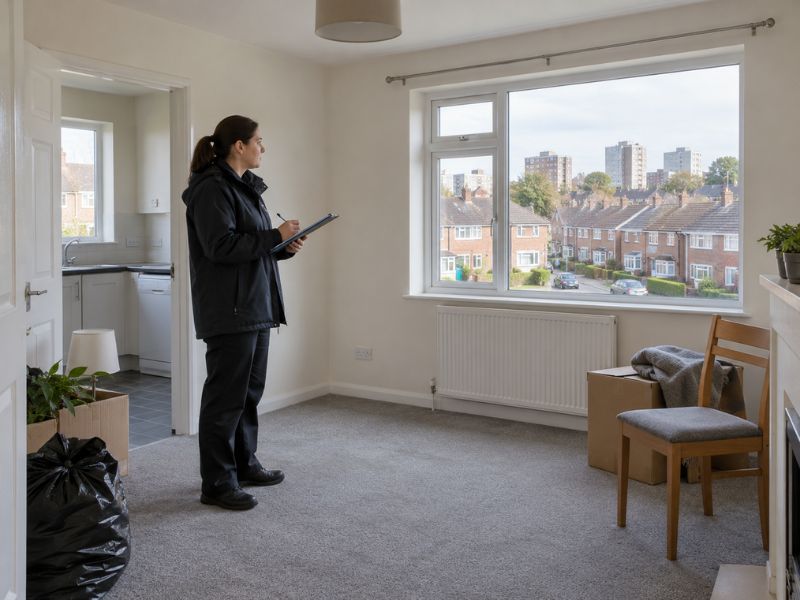
Around 571,000 deaths were registered in England and Wales in 2025, so a fair number of families face this every year. Even so, there is no reliable UK-wide figure for how many council or housing association properties are cleared following a death, since national statistics record vacancies and lettings without breaking down the cause. Treat any precise national total online with caution unless it is clearly sourced from one named council.
Clearing a house after losing someone is emotionally draining, and a deadline makes it harder. Check who is eligible to take over the tenancy and speak to the council before you clear the property, since that decides who pays what and how much time you have. After that, the next steps of sorting, selling, donating and disposing fall into place naturally. Check the details with your own local council or housing association, as this is general guidance rather than advice for your particular tenancy.