
We’re the UK’s Go-To Cleaning Company
High-Standard Cleaning with Compassion and Care.

More than 570,000 deaths were registered in England and Wales in 2025. Behind that number are thousands of families working out what to do with a house full of someone else's belongings. It's a common question we hear at Scrubbed With Love: can I empty a house before probate?
No, not fully. You can secure the property, keep the property safe, and stop it from falling into disrepair. What you generally cannot do is sell, give away, or hand out personal belongings, furniture, or valuable items to family members before probate is granted. Emptying a house and distributing items from an estate are two different things, and mixing them up is where executors get into trouble. You don't have to do everything the same day, and you don't have to rush. It makes sense to wait, even if the house and the belongings inside it sit untouched for a while.
Dealing with someone's home after they die is never simple. Probate is the legal process that gives someone legal authority to deal with a deceased person's property. This is sometimes called probate property, and until the grant is issued, it legally belongs to the estate, not to any individual. Until then, you're looking after someone else's property, not handing out your own. Taking care of the house is not the same as taking ownership of what's inside it. That one line explains most of the confusion families have around this.
You're safeguarding a deceased person's possessions, not distributing them yet. If you're named as an executor and you start acting like one before probate is granted, that's sometimes called intermeddling. It can legally tie you to the responsibility of an executor even before you've formally accepted the role. A small favour, like giving your aunt a piece of furniture she always liked, can turn into a legal headache for everyone.

Removing items before probate is granted can lead to legal challenges, especially if other beneficiaries feel left out. Removing items from the house without asking can look suspicious, even when your intentions are good. In rare, extreme cases, removing valuable items without permission has been treated as theft. More often, it causes disputes and hurt feelings inside a family that's already grieving. Acting too soon can create legal complications and real risks for everyone involved.
There's personal liability to think about too. If you remove or sell something that turns out to belong to someone else, you could be personally responsible for putting that right. Executors who ignore this can face legal penalties, even when they meant well. For example, gifting a valuable ring to a relative before probate could count as an unauthorised removal.
Assets need to be properly valued before probate, and removing items before probate can quietly change the estate's assets on paper. That matters because inheritance tax is worked out from that total value. Inheritance tax applies once an estate is worth more than £325,000, so getting the valuation wrong is not just a technicality. It can cost the estate real money.
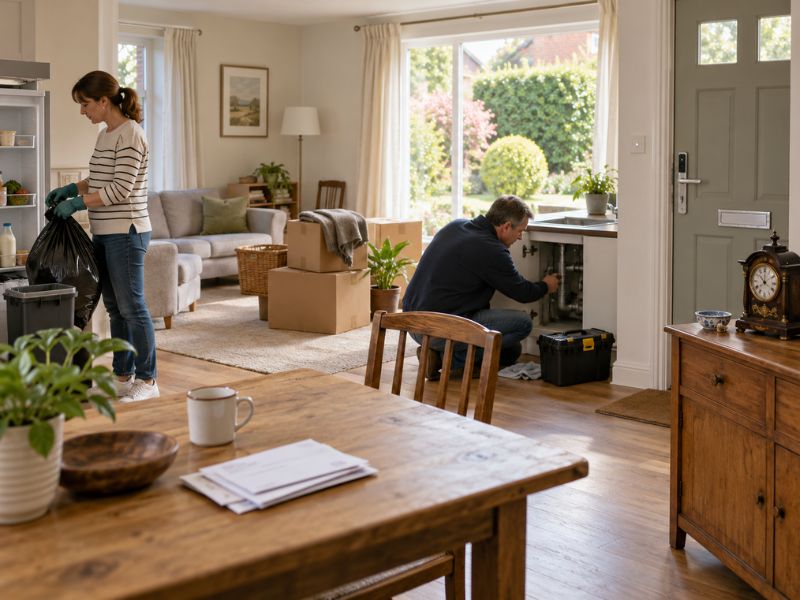
Executors are responsible for protecting the property, but that doesn't mean doing nothing while probate is pending. In practice, most cases are more relaxed than people expect. It's generally acceptable to remove perishable goods from the fridge, deal with anything hazardous, and start clearing rubbish so the house does not fall apart while it sits empty. For example, redirecting post or watering the garden causes no problems at all. Certain items, like fixing a leaking pipe, need urgent attention no matter what stage probate is at. This is part of normal estate administration, not something to worry about.
A few things worth checking early on:
Selling items such as old furniture to clear space is usually fine once you're confident nothing important is missing. Clearing out obvious low-value items works the same way. Valuable items are different. Anything that might be worth something should get a proper valuation before any sale. A formal sale of the house itself, or anything of real value, should always wait until probate is granted.
At the end of March 2026, there were 42,490 cases in the open probate caseload, up 19% on the year before. In early 2026, the average wait for a grant of probate was around 5 weeks. Straightforward digital applications that were not stopped for extra checks took closer to 2 weeks, while applications that got stopped took around 14 weeks on average. Add in valuing the estate and sorting the paperwork, and the full probate process often takes six months to a year from start to finish.
Rules are not identical everywhere in the UK. England, Wales, Scotland and Northern Ireland each run their own probate process, so if the death happened outside England and Wales, check the local rules before you rely on anything here.
Once probate is granted and the executors named in the will have the legal right to act, a full clearance of the property can begin. If you are wondering who pays for house clearance after death, the cost is generally treated as an expense of the estate and is paid from estate funds where available. Based on figures from several UK trade and clearance comparison sites in 2026, a standard house clearance typically costs somewhere between £450 and £750, while larger probate properties with a lot of contents often run higher, sometimes £1,000 to £3,000 or more for bigger three- or four-bedroom homes. This price is a rough guide, and the actual cost varies depending on the size of the house, how much needs removing, and where in the UK the property is.
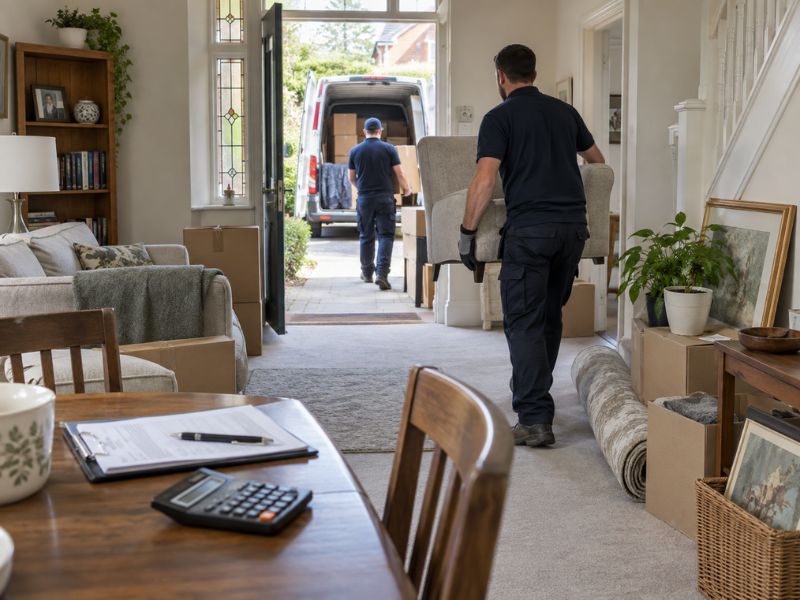
A practical, well-documented approach keeps things stress-free for the executor and everyone else involved. This responsibility falls on the executor, not on friends or relatives who mean well.
Beneficiaries cannot take items until probate is finalised, no matter how sure they are about what they were promised. Keeping beneficiaries informed early on helps avoid disputes later.
So, can you empty a house before probate? You can protect it, secure it, and keep it standing. You generally cannot sell the property quickly, hand out sentimental items, or clear out valuable possessions until probate is granted and you have the legal right to act. Nothing can be sold, given away, or distributed before then. Once probate is finalised, assets are usually distributed, and the estate is settled properly.
It sounds strict, but it exists to protect everyone: the beneficiaries, the executor, family members and the deceased's estate itself. This isn't legal advice, and every case is different, so if yours is complicated, we'd always advise speaking to probate solicitors, and it's strongly recommended you do this before touching anything of real value.